TL;DR
A blocked toilet is almost always caused by too much paper, non-flushable wipes, or a low-flush cistern struggling to clear an older pipe run — and the majority clear with a plunger, some hot water, and a bit of patience. If the pan is filling toward the rim, water is backing up into a bath or sink at the same time, or it's the only toilet in the house, stop plunging and request help online instead. In Swindon's older terraced streets, a toilet that blocks repeatedly is often telling you about a problem further down the pipe, not the flush itself.
Why Toilets Block in the First Place
Most domestic toilet blockages come down to what's gone down the pan rather than anything wrong with the toilet itself. Excess toilet paper in a single flush, "flushable" wipes that don't actually disintegrate the way the packaging suggests, cotton buds, and sanitary products are the most common culprits. Unlike toilet tissue, which is designed to break apart in water within minutes, wipes are built to hold together — which is exactly why they catch on pipe joints and slowly build into a blockage rather than washing straight through.
Low-flush and dual-flush cisterns, now standard in most UK bathrooms, use a fraction of the water older single-flush systems did. That's good for water bills, but it means there's less force behind each flush to carry waste through the pipe run. In a modern bathroom with modern pipework this rarely causes problems. Paired with an older, narrower soil pipe — common in many of Swindon's pre-1980s properties — a low-flush system occasionally isn't quite forceful enough to clear everything on the first attempt, and a partial blockage becomes a full one over a few flushes.
Try This Before You Call a Plumber
Most straightforward toilet blockages respond to a simple sequence:
- Stop flushing. Every extra flush adds water to a pan that's already struggling to drain, raising the risk of an overflow.
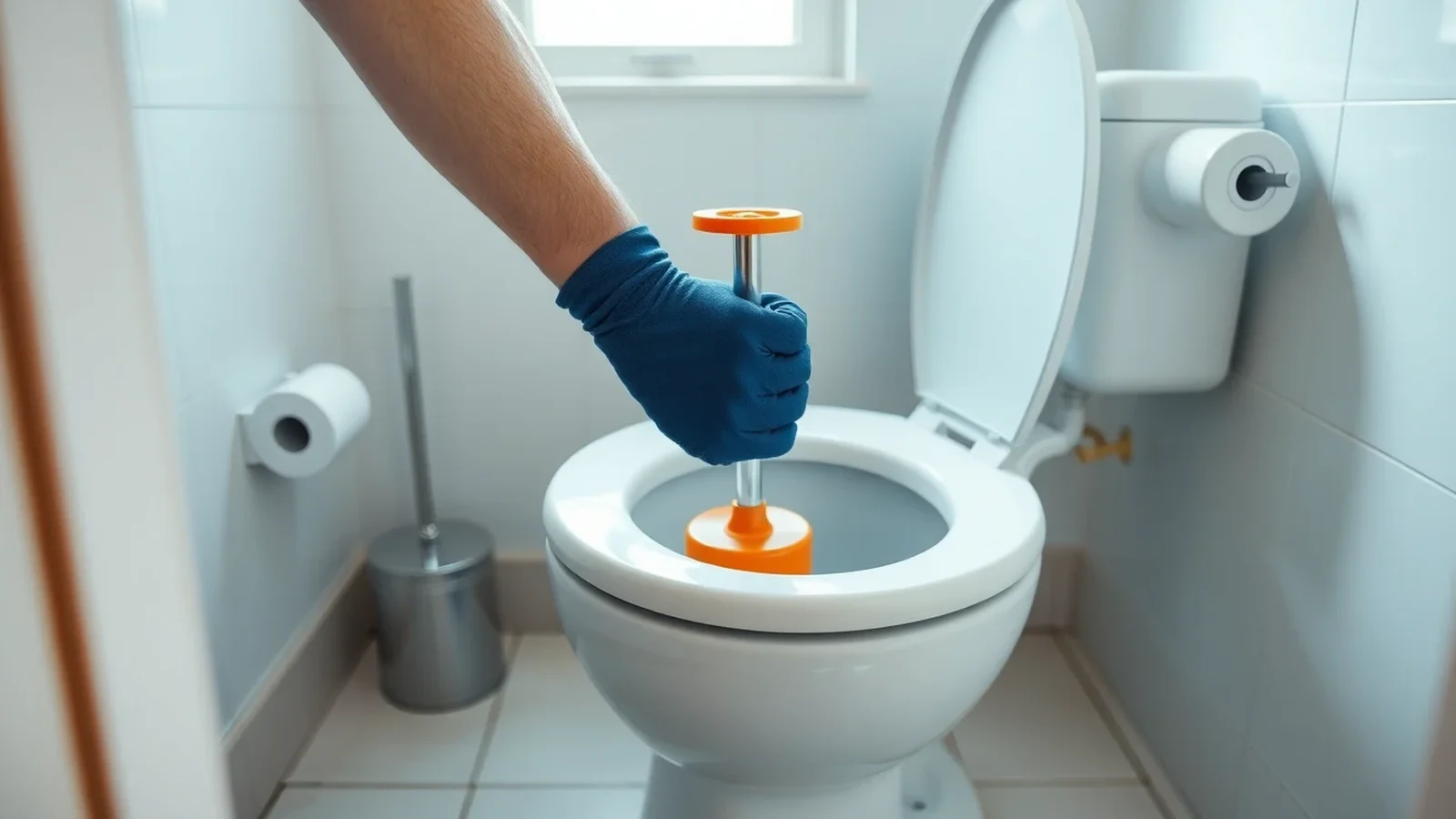
- Use a flange plunger, not a standard sink plunger. A flange plunger has an extended rubber lip that seats properly in a toilet outlet and creates a much better seal.
- Add hot (not boiling) water and washing-up liquid. A squeeze of washing-up liquid followed by a bucket of hot water, left to sit for ten minutes, can help break down paper and soften the blockage before you plunge.
- Plunge with steady, firm strokes, keeping the seal intact rather than breaking it with every stroke. Several short bursts usually work better than one long, hard push.
- Avoid chemical drain cleaners in a toilet pan. They're largely ineffective against paper and wipe blockages, and repeated use can damage the seals and glaze on an older cistern and pan.
If the water level drops and the toilet flushes normally afterwards, you're done. If nothing changes after a couple of attempts, it's worth stopping rather than repeatedly plunging — you risk pushing the blockage further into the pipe run, where it becomes much harder to reach.
When a Blocked Toilet Becomes a Plumbing Emergency
Not every blocked toilet needs an emergency callout, but a few situations genuinely can't wait:
- Water is rising toward the rim with no sign of draining away
- A bath, sink, or shower elsewhere in the property also backs up when the toilet is flushed — a strong sign the blockage sits in a shared section of pipe, not just the toilet itself
- It's the only toilet in the property
- There's a smell of sewage, or water is visibly seeping around the base of the toilet
If more than one fixture is affected at once, think of it as a sewage backup situation rather than a simple blocked toilet — the blockage sits downstream of the toilet, in a shared branch of pipe, and no amount of plunging the pan will reach it.
Older Terraces and New-Build Estates Block Differently
Swindon's housing stock varies enormously, and toilet blockages tend to follow the pattern of the property. In the Victorian and GWR-era railway terraces around Old Town, Rodbourne, and Walcot, soil pipes are often original or only partially replaced, narrower than modern standards, and more prone to root ingress and joint displacement where the pipe run passes close to mature trees. A toilet that blocks repeatedly on one of these streets is frequently a symptom of a pipe problem rather than a flushing habit.
On the newer estates around Haydon Wick and the north of the town, the pipework is younger, but low-flush cisterns paired with a slightly undersized branch pipe — an installation detail rather than a design flaw — can occasionally leave less margin for error with excess paper or wipes. The fix in that case is usually behavioural rather than structural: fewer wipes down the pan, and more sparing use of paper per flush.
What a Professional Visit Involves
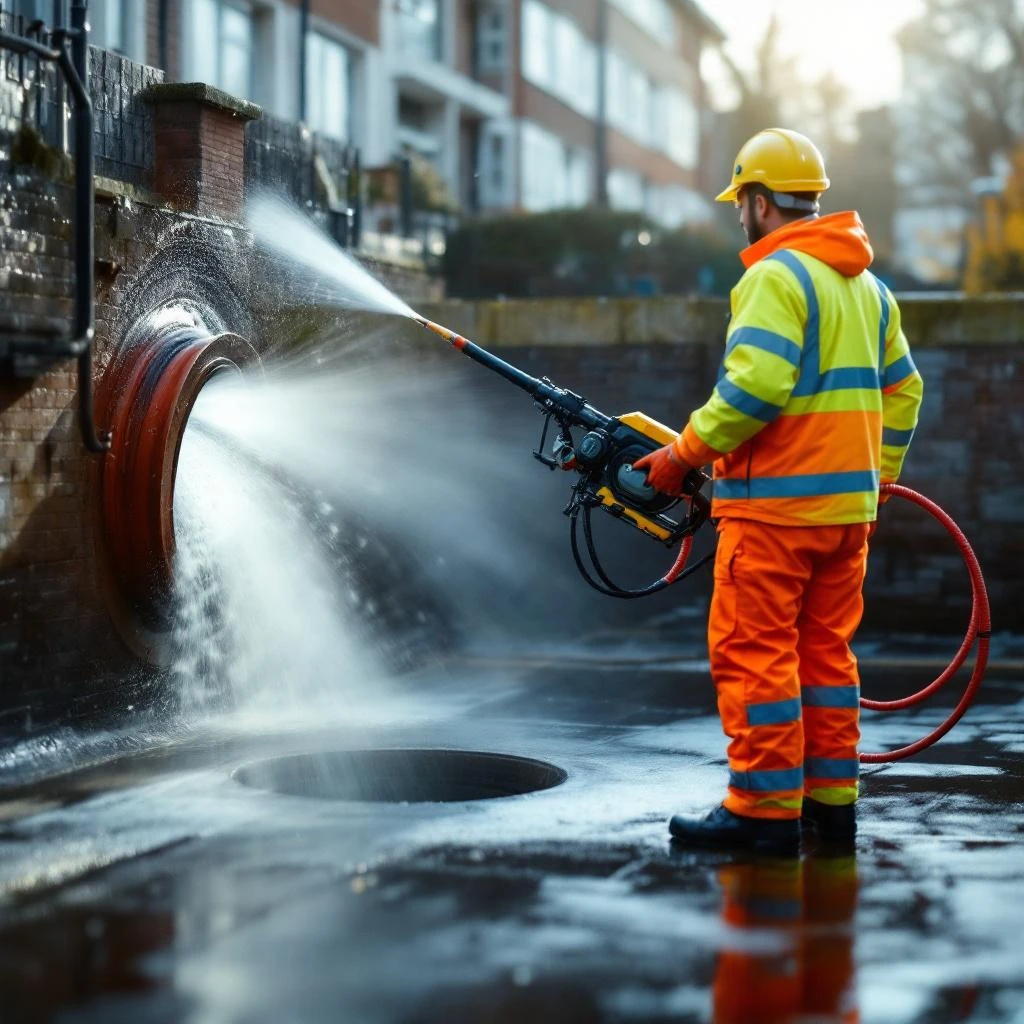
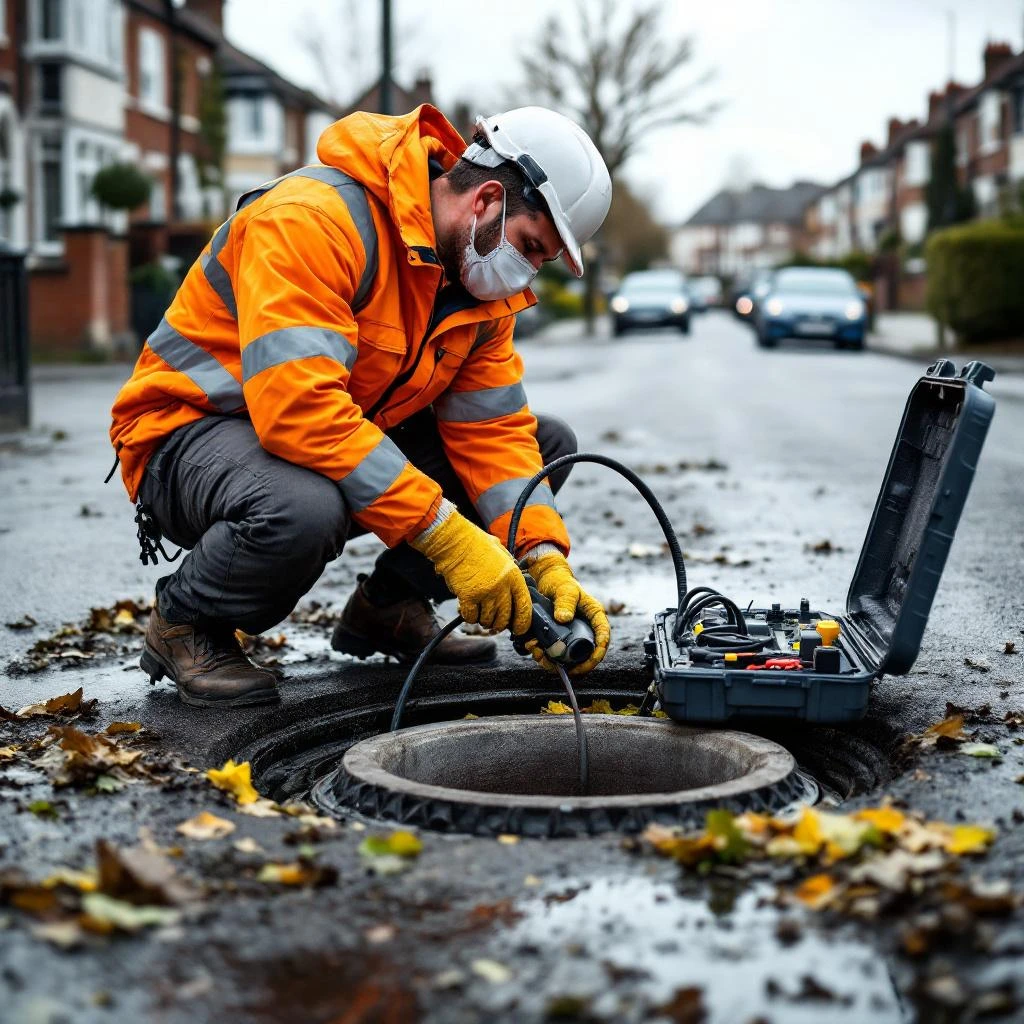
If DIY hasn't shifted it, a professional visit typically starts with rods or targeted unblocking aimed at the toilet's own branch pipe, escalating to high-pressure jetting if the blockage is more established or further along the run. Where a toilet blocks more than once in a short period, a CCTV drain survey is the only way to see what's actually happening inside the pipe — root ingress, a displaced joint, and a partial collapse all look identical from above ground but need very different fixes. For a wider look at what causes blockages across the whole drainage system, not just the toilet, our guide to the most common causes of blocked drains in Swindon covers the bigger picture.
Get It Sorted Properly
If your toilet is blocked and the steps above haven't worked, request a quote online and we'll get an engineer to you with the right equipment for the job — rods, jetting, and a camera if it's needed. We cover Swindon and the surrounding Wiltshire area, including Wroughton, with fixed pricing agreed before any work begins.