TL;DR
Pipe relining repairs a cracked, root-damaged, or displaced drain by creating a new pipe inside the old one — no digging up the garden, the driveway, or the ground between your house and next door to reach it. It's the standard fix for the kind of structural defects that Swindon's mix of chalk, clay, and ageing pitch fibre pipework produces, and in most cases it's completed in a single visit. If a survey has already flagged a defect on your drain, request a fixed-price quote online to find out whether relining is the right fix for your property.
What Is Pipe Relining?
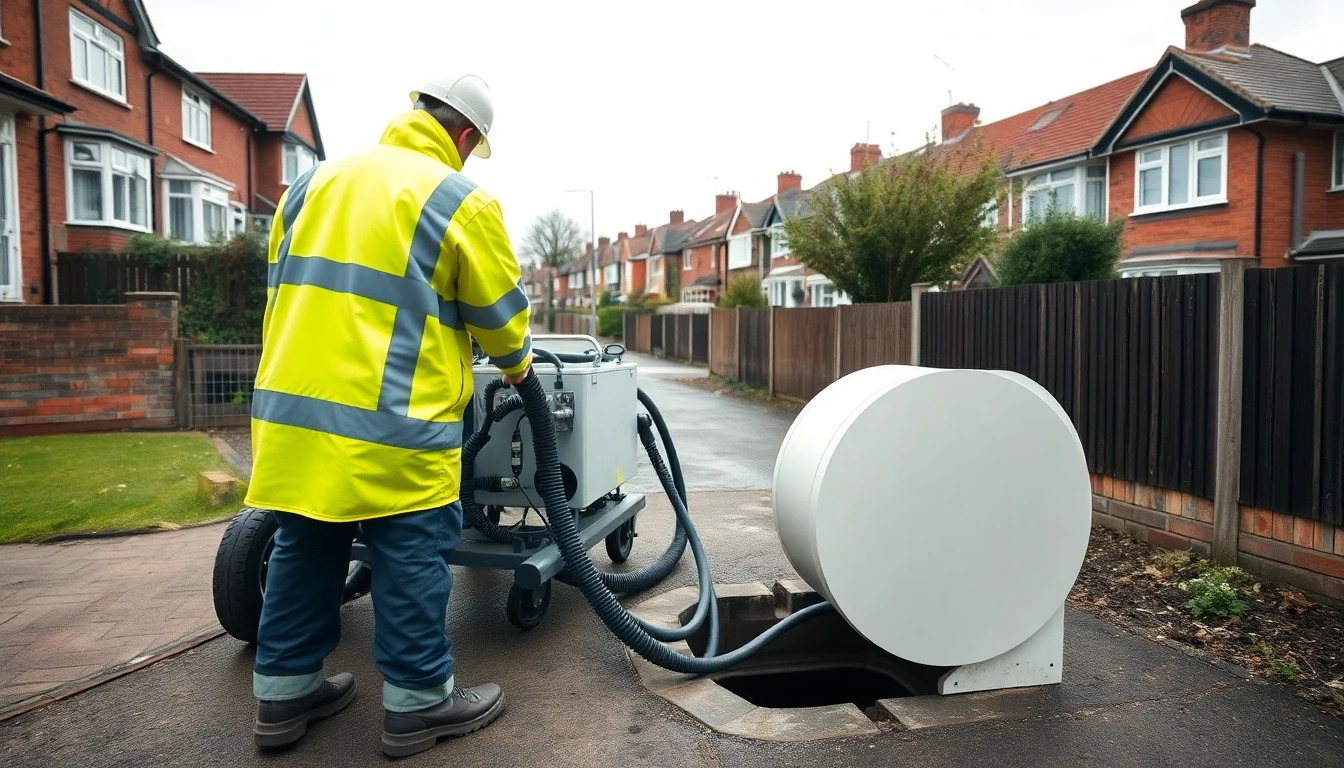
Pipe relining — sometimes called trenchless repair or cured-in-place lining — works by inserting a resin-saturated liner into the damaged section of pipe, then inflating or pulling it into place against the existing pipe wall. The resin is left to cure, either at ambient temperature or using UV light, hot water, or steam to speed the process, forming a hard, seamless new pipe within the old one. The result is a continuous pipe with no joints for roots to exploit, and a smooth internal surface that resists the scale and grease build-up that plagues older, rougher pipe materials.
Because the liner is fed in through an existing access point — typically a manhole or an inspection chamber — there's no need to excavate a trench along the length of the damaged pipe. That matters more in some situations than others: a damaged pipe running under a driveway, a patio, or close to a building's foundations is exactly the kind of job where trenchless repair saves both disruption and reinstatement cost.
Why Swindon's Drains Often Need It
Swindon's drainage problems are frequently structural rather than simple blockages, and the reason lies in the ground itself. The town sits across a mix of chalk, Gault Clay, and Upper Greensand, each of which moves, dissolves, or shifts in its own way over time — our guide to Swindon's geology and its effect on drainage covers this in detail. Add to that the pitch fibre pipe installed across large parts of Swindon's housing stock in the 1960s and 1970s, a material now well past its intended service life, and the result is a town with more than its fair share of cracked, displaced, and deformed drainage pipe.
Relining is particularly well suited to this combination of problems. It restores a smooth, structurally sound pipe without needing to know — or fight — the ground conditions that caused the original damage in the first place.
How Engineers Decide: The Role of the CCTV Survey
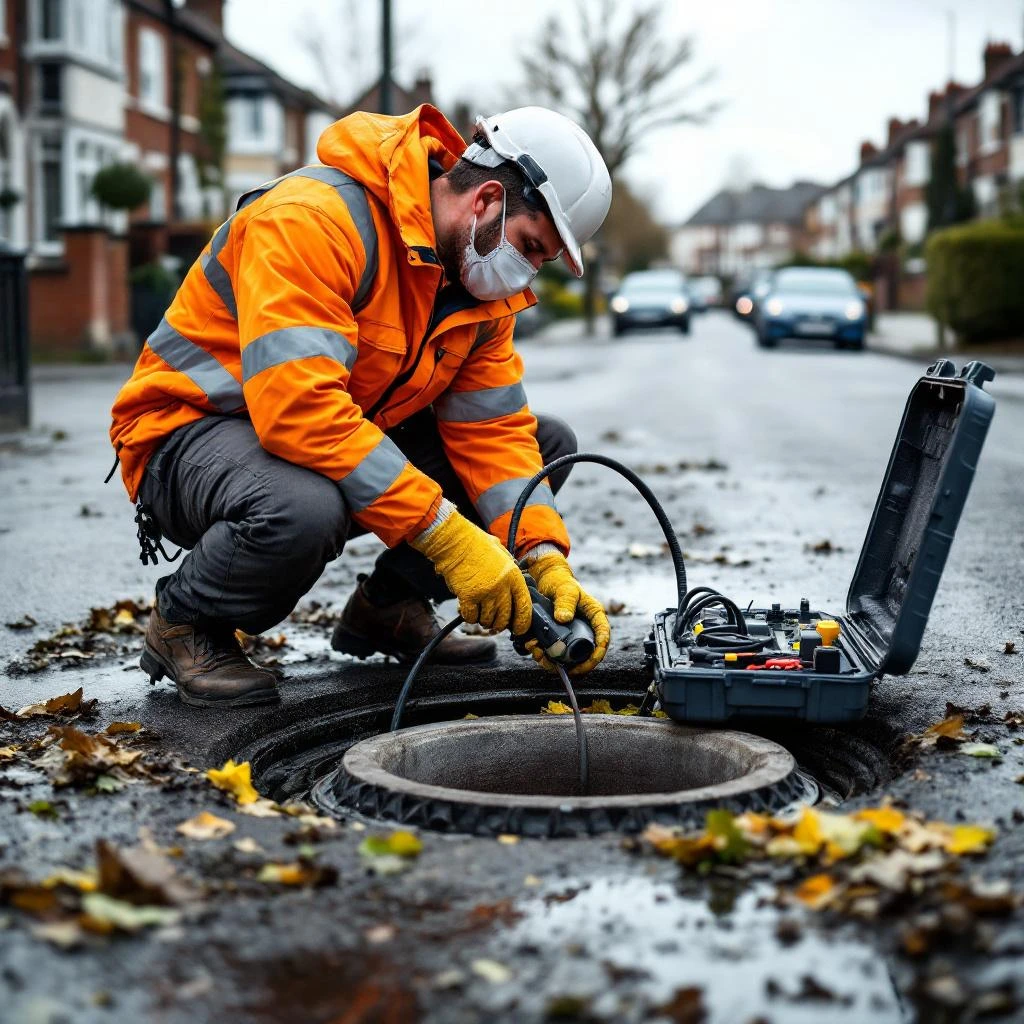
Before any relining work is quoted, the pipe needs to be properly assessed. A CCTV drain survey records the full length of the affected run and lets an engineer see exactly what's wrong — a cracked section, a displaced joint, root ingress, or a deformed section of pitch fibre pipe. In the UK drainage industry, defects found on survey are typically graded using the WRc Manual of Sewer Condition Classification (MSCC5), a standardised system that scores each defect by severity so that repair decisions are based on the evidence in the footage, not just an impression formed on the day.
Not every defect needs relining. Minor scale or root fragments picked up on a jetting pass may not need structural repair at all. Relining becomes the right call once the survey shows a genuine structural issue — a crack, a displaced joint, or deformation — that will only get worse if left alone.
The Relining Process, Step by Step
A typical domestic relining job follows a consistent sequence:
- Pre-lining survey and clean. The pipe is jetted clean and re-surveyed immediately before lining, to confirm the defect and remove any debris that would stop the liner sitting flush against the pipe wall.
- Liner preparation. A resin-saturated felt or fibreglass liner is measured and prepared to the exact length of the section being repaired.
- Insertion. The liner is fed into the pipe through the access point and positioned using air pressure or a pulling cable, then inflated against the pipe wall.
- Curing. The resin cures in place, forming a hard new pipe wall bonded to the inside of the old one.
- Post-lining survey. A final camera pass confirms the liner has cured correctly, sits flush at any junctions, and the pipe is structurally sound and clear.
Most domestic relining jobs addressing a single defect are completed within a day.
Relining vs Excavation: When Digging Is Still Necessary
Relining isn't the answer to every structural problem. Where a pipe has fully collapsed, is severely deformed over a long section, or has shifted so far out of alignment that a liner can't sit correctly, excavation and pipe replacement is still the more reliable fix. The CCTV survey is what tells you which category your problem falls into — and a good engineer will be upfront about which one applies rather than defaulting to whichever repair happens to be easier to schedule.
Get a Fixed-Price Quote
Every relining job is different depending on pipe length, access, and the extent of the damage found on survey, so we don't publish blanket prices — instead, request a fixed-price quote online once a survey has confirmed what needs fixing. We carry out pipe relining across Swindon and the surrounding Wiltshire area, including Royal Wootton Bassett, with the price agreed before any work starts.